
When you look at someone’s smile, the first thing you notice is the color. It either looks natural and beautiful, or it looks like a bright white block stuck in their mouth.
That’s the difference between a crown in Columbia that’s been carefully shade-matched and one that hasn’t.
At Dr. Thomas Trinkner’s dental office in Columbia, SC, we don’t just pick a shade from a chart and hope it works. We use science, technology, and artistic training to create crowns that blend seamlessly with your natural teeth.
Dr. Trinkner was the first dentist in South Carolina to become an Accredited Member of the American Academy of Cosmetic Dentistry. That means he’s spent decades studying dental aesthetics and facial harmony. He knows how to make a restoration look like it belongs in your mouth.
Let’s walk through how we do it.
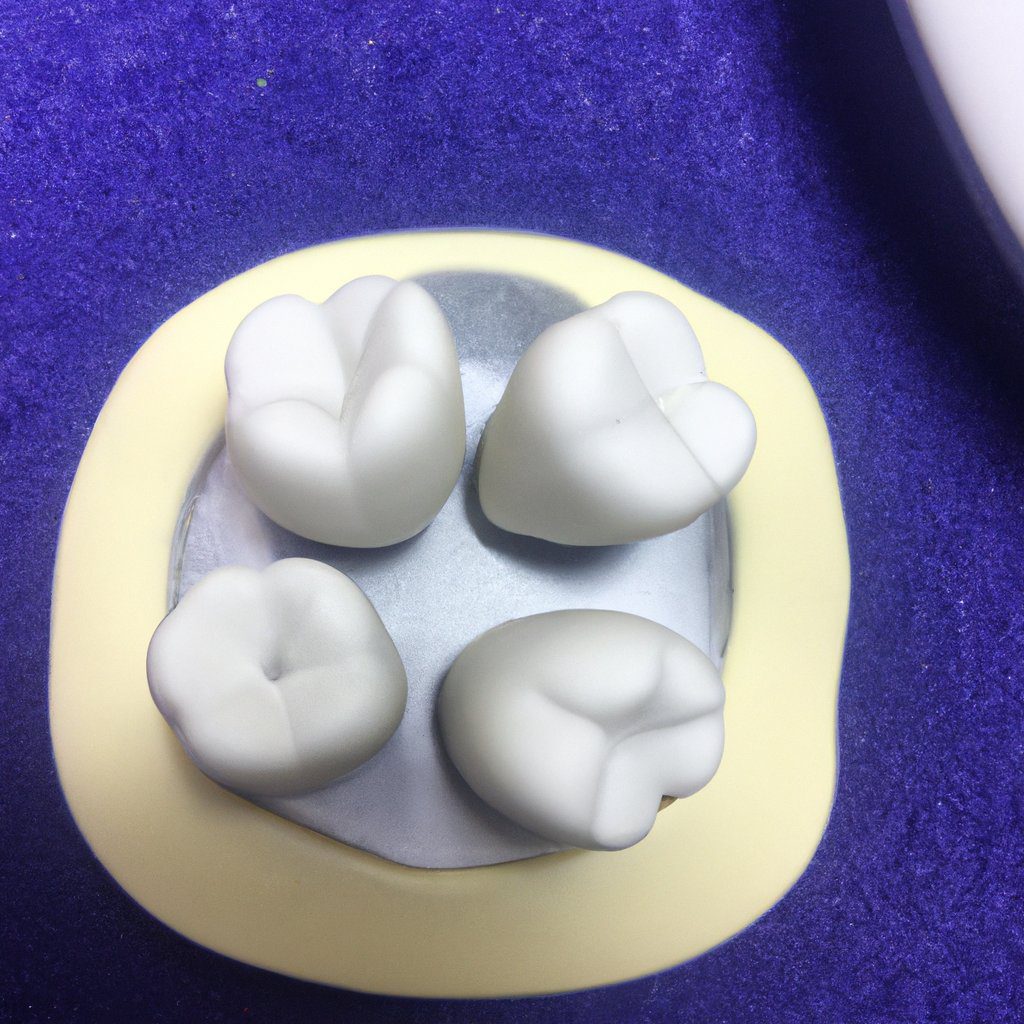
The Art of Seeing Color
Color is complicated. It’s not as simple as looking at a tooth and saying “that’s white.” Tooth color has three dimensions.
- Hue is the base color. Your teeth lean more toward yellow, gray, or red. Most people have a yellow hue, but the exact shade varies.
- Chroma is how intense or saturated that color is. A tooth with high chroma looks more colorful. A tooth with low chroma looks more muted.
- Value is how light or dark the tooth appears. This is the most important factor because our eyes are most sensitive to brightness differences.
When we pick a crown shade, we match all three dimensions. It’s a delicate balance that requires a trained eye and years of experience.
Why Natural Teeth Look the Way They Do
Your tooth color comes from two layers working together. Enamel is the hard, white outer layer. It’s partially translucent, so light can travel through it.
Dentin is the softer, yellowish layer underneath. When light passes through the enamel, it bounces off the dentin and comes back out. That’s what creates your tooth’s final color.
Here’s where it gets interesting. Teeth aren’t one solid color throughout. The edges of your front teeth are more translucent and appear slightly blue-tinted. The base of your teeth looks more yellow because more of the darker dentin shows through.
A natural-looking crown has to replicate this pattern. If your new crown is uniform and opaque, it will look fake, like a plastic tooth.
The Shade Guide: A Starting Point
Most dentists use a shade guide, a set of tooth-colored tabs that they hold next to your teeth. The most common system is the VITA Classical guide with 16 shades, but a newer system called VITA 3D-Master has about 29 shades arranged by lightness, saturation, and hue.
But here’s the catch. Shade guides have limitations. The tabs don’t always match how natural tooth colors progress. They also stain and discolor over time.
That’s why we don’t stop at the shade guide. It’s just the starting point.
Science: How Technology Helps
We use a spectrophotometer, a device that measures tooth color objectively. Instead of relying only on the dentist’s eye, this instrument records which wavelengths of light your tooth reflects.
Here’s why this matters. Two dentists looking at the same tooth might see slightly different colors. But a spectrophotometer gives the same reading every time. It removes human error and provides objective data we send to the lab.
We also use high-quality photography under standardized lighting. Photos show details shade guides miss: how translucent your tooth edges are, any color variations, and how the tooth looks in context with your other teeth. The lab technician needs to know that your lateral incisors are naturally lighter than your centrals, or that your incisal edges are more transparent.
The Lighting Problem
Here’s something many patients don’t realize. Your teeth look different under different lighting conditions.
Dental office lights are cool and bright. Natural sunlight is warmer. Your home lighting might be more yellow. A crown that looks perfect in the office might look slightly different in your bathroom mirror.
That’s not a mistake. It’s just how colors work. Before finalizing your crown, we’ll check it in both office lighting and natural daylight.
Why Experience Matters
Technology and science are essential, but true artistry comes from years of experience. Dr. Trinkner knows when to trust the machine and when to trust his trained eye.
The AACD accreditation process requires demonstrating exceptional skill and artistry. That means his peers have recognized Dr. Trinkner for his ability to create natural-looking restorations.
When he matches your crown, he’s not just picking a color. He’s considering:
- Your skin tone and facial features
- The age of your surrounding teeth
- The translucency of your natural enamel
- The natural color gradient from gumline to edge
What This Means for You
When you get a crown from Dr. Trinkner, you’re not getting a generic tooth replacement. You’re getting a custom restoration planned with objective science, confirmed with technology, and executed with the artistry of one of Columbia’s most experienced cosmetic dentists.
If you’re in Columbia, West Columbia, St. Andrews, or anywhere in the Midlands, we invite you to experience the difference.
Ready to schedule your crown consultation? Call our office at 803-400-8729 or request an appointment online. Your smile deserves a restoration that looks like it belongs.