
You’ve lost multiple teeth in a row, and you’re exploring your options. You want something stable. Something that doesn’t require grinding down your healthy teeth and something that lasts. An implant-supported bridge could be the answer you’ve been looking for.
At Dr. Thomas Trinkner’s office in Columbia, SC, we’ve helped hundreds of patients restore their smiles with this innovative tooth replacement option. Dr. Trinkner was the first dentist in South Carolina to become an Accredited Member of the American Academy of Cosmetic Dentistry. He’s been serving the Columbia community for nearly 40 years. He takes a conservative, patient-centered approach to care, always looking for the least invasive way to achieve healthy, lasting results.
Let’s walk through what an implant-supported bridge is, how it works, and why so many patients choose it over other options.
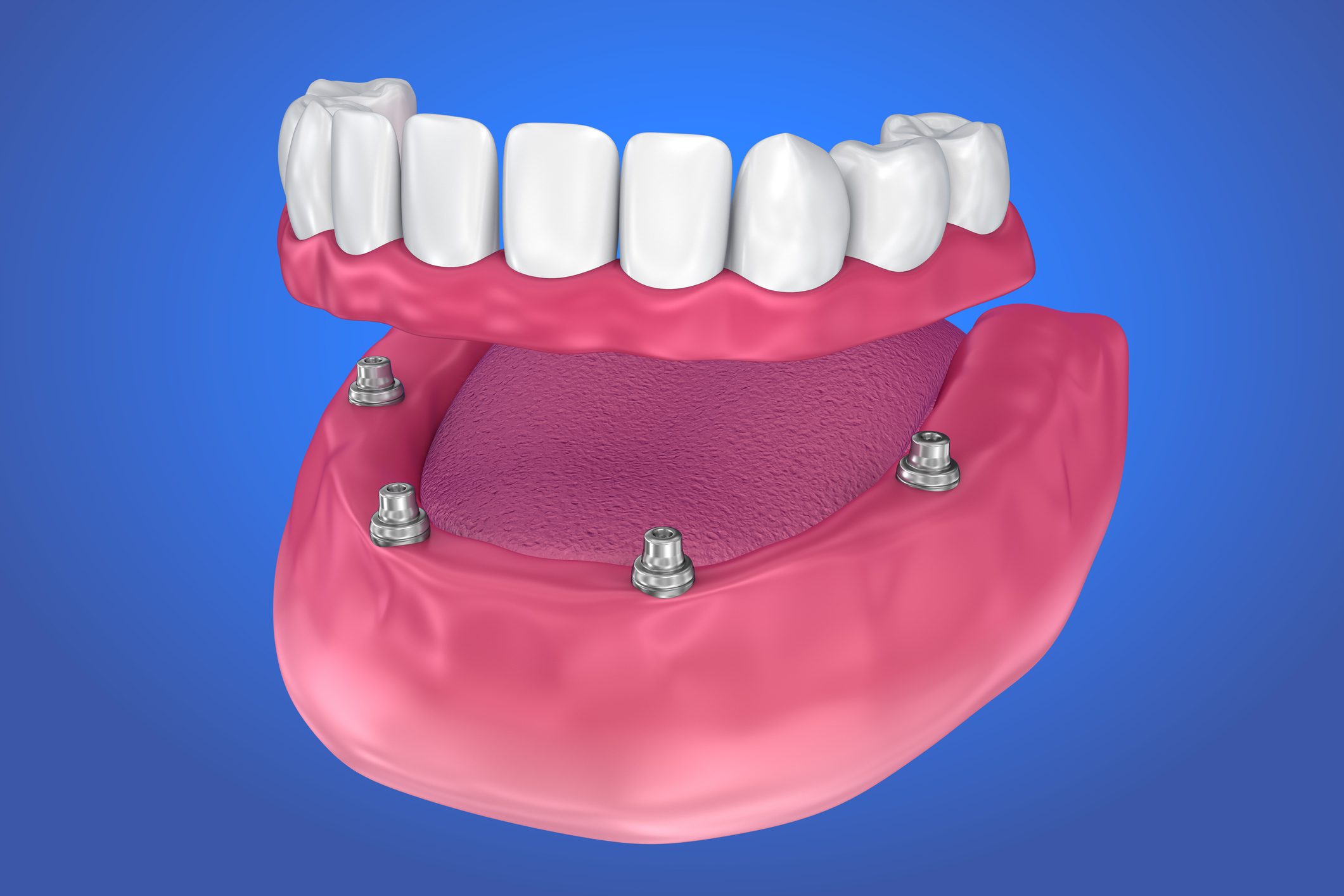
What Is an Implant-Supported Bridge?
An implant-supported bridge is a dental restoration that replaces multiple missing teeth in a row, using dental implants as anchors. Instead of relying on your natural teeth for support like a traditional bridge, this type of bridge attaches to implants placed directly into your jawbone.
Two or more dental implants are surgically placed in your jawbone. These implants act like artificial tooth roots. Once they’ve healed and fused with your bone, a custom bridge is attached to them. The bridge itself consists of replacement teeth called pontics, and the whole thing is fixed in place.
The result is a stable, permanent solution that looks, feels, and functions like natural teeth.
How Is It Different From a Traditional Bridge?
This is one of the most common questions patients ask. The difference is significant, and it’s why many people choose the implant-supported option.
A traditional dental bridge relies on your adjacent natural teeth for support. To place one, Dr. Trinkner would need to grind down the healthy teeth on either side of the gap so they can support crowns that hold the bridge in place. That’s permanently altering two healthy teeth to replace one missing tooth.
An implant-supported bridge doesn’t touch your natural teeth. The implants provide all the support the bridge needs. Your healthy teeth stay completely untouched.
There are other important differences too. A traditional bridge doesn’t stimulate your jawbone, so bone loss continues under the missing teeth. An implant-supported bridge replaces the tooth roots, stimulating the bone and helping prevent bone loss. That means you maintain your facial structure and avoid that sunken look that can happen when teeth are missing.
How Does the Procedure Work?
Getting an implant-supported bridge typically involves several steps over a few months. Here’s what you can expect.
Step 1: Consultation and Evaluation
Your journey starts with a consultation with Dr. Trinkner at our Columbia office. He’ll examine your teeth and gums, take digital X-rays, and evaluate your jawbone to determine if you have enough bone density to support the implants. If you don’t have enough bone, Dr. Trinkner may recommend a bone grafting procedure before implant placement.
Step 2: Implant Placement
Once you’re approved for treatment, Dr. Trinkner will place the dental implants into your jawbone. This is a surgical procedure, but you’ll be comfortable throughout. Local anesthesia numbs the area.
Step 3: Healing and Osseointegration
This is a critical phase. Over the next three to six months, the implants will fuse with your jawbone in a process called osseointegration. This creates a permanent, incredibly strong bond that forms the foundation for your new bridge.
During this healing period, you won’t be left without teeth. Dr. Trinkner will provide a temporary restoration so you can eat and smile normally.
Step 4: Bridge Placement
Once the implants have fully healed, you’ll return to our office for the final step. Dr. Trinkner will attach your custom bridge to the implants and make any necessary adjustments to ensure a comfortable fit and natural bite. Once everything is perfect, we permanently secure the bridge.
How Many Teeth Can an Implant-Supported Bridge Replace?
This is a common question, and the answer varies. An implant-supported bridge typically replaces two to five consecutive missing teeth. The exact number depends on your specific situation.
You don’t need one implant for each missing tooth. A bridge requires at least two dental implants for support, and those implants can support multiple replacement teeth. This makes it a more practical and more affordable option than placing individual implants for every missing tooth.
For patients missing an entire arch of teeth, Dr. Trinkner may recommend a full-arch implant-supported restoration. This restoration uses multiple implants to support a full set of upper or lower teeth.
What Are the Benefits of an Implant-Supported Bridge?
Patients who choose an implant-supported bridge in Columbia notice these benefits:
- Protects Healthy Teeth: This is a major advantage. Because the bridge is supported by implants, not natural teeth, your adjacent healthy teeth aren’t ground down or damaged.
- Preserves Jawbone Health: The implants act as artificial tooth roots, stimulating your jawbone and preventing the bone loss that happens when teeth are missing. This helps maintain your facial structure and prevents premature sagging.
- Provides Superior Stability: Unlike removable dentures, an implant-supported bridge is fixed in place. It won’t slip, shift, or click when you eat or speak. You can enjoy a full range of foods with confidence.
- Looks and Feels Natural: Dr. Trinkner uses high-quality porcelain to craft bridges that match the color, shape, and translucency of your natural teeth. The result is a seamless, natural-looking smile.
- Long-Lasting Results: With proper care and regular dental visits, an implant-supported bridge can last 15 years or more.
What Are the Potential Drawbacks?
An implant-supported bridge is a more involved treatment than a traditional bridge. It requires oral surgery, a healing period of several months, and a higher initial investment. The procedure also requires adequate jawbone density to support the implants, though bone grafting can address this in many cases.
However, many patients find that the long-term benefits of stability, durability, and bone preservation make this option well worth the investment.
Why Choose Dr. Trinkner for Your Implant-Supported Bridge in Columbia?
Dr. Thomas Trinkner has been transforming smiles in Columbia since 1985. He was the first dentist in South Carolina to become an Accredited Member of the American Academy of Cosmetic Dentistry, a distinction held by fewer than 400 dentists worldwide. He’s also a national speaker and educator who stays at the forefront of modern dental techniques.
With nearly 40 years of experience and a reputation for gentle, patient-centered care, Dr. Trinkner is a trusted choice for restorative dentistry in the Midlands. Whether you’re in Columbia, West Columbia, St. Andrews, or Oak Grove, we’re here to help you find the right solution for your smile.
Ready to explore an implant-supported bridge in Columbia? Call our office at 803-400-8729 or request an appointment online. Let’s restore your smile.