
If you’re considering dental implants to replace missing teeth, you’re looking at one of the most effective ways to restore your smile, your ability to chew, and your confidence. But it’s completely normal to have questions, especially about safety. “Is this procedure safe?” and “Is it a healthy choice for me in the long run?” are two of the most important questions to ask.
The short answer is yes, dental implants are widely considered a very safe and predictable treatment with an excellent long-term track record. But let’s dive into the details so you can feel fully informed and confident in your decision.
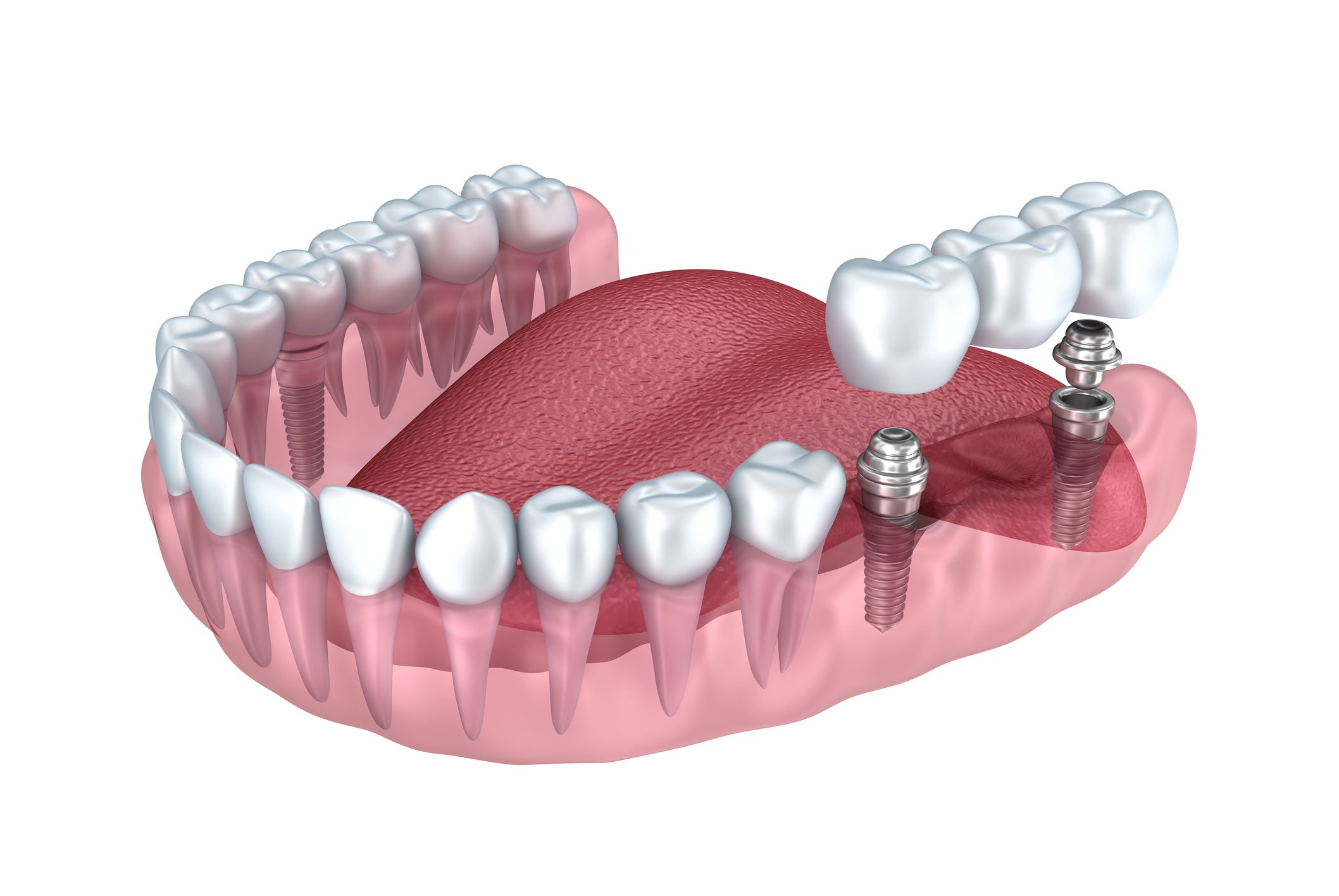
Dental Implants: A Guide to Safety and Long-Term Health
First, it helps to understand why implants are the gold standard for tooth replacement. Unlike bridges or dentures that sit on top of the gums, a dental implant replaces the entire tooth structure, from root to crown. A small, biocompatible titanium post is surgically placed into your jawbone, acting as a new artificial root. This post then fuses with your bone in a process called osseointegration, creating an incredibly strong foundation for a custom-made crown.
The benefits are life-changing:
- They Look, Feel, and Function Like Natural Teeth: You can eat all your favorite foods, speak clearly, and smile without a second thought.
- They Protect Your Jawbone: When you lose a tooth, the jawbone beneath it begins to shrink away. An implant provides the stimulation your bone needs to stay healthy and strong, preserving your facial structure.
- They Are Durable and Long-Lasting: With proper care, implants are designed to last a lifetime, while the attached crown may need replacement after 15+ years.
- They Don’t Harm Neighboring Teeth: A dental bridge requires grinding down adjacent healthy teeth for support. Implants stand independently, leaving your other teeth untouched.
Understanding Safety: The Procedure and The Materials
Any surgical procedure involves some level of risk. The key to safety lies in careful planning, expert skill, and using your body’s natural healing abilities. Here’s how safety is prioritized in implant dentistry:
- Meticulous Planning for Your Unique Health: Safety starts long before the procedure. A qualified dentist like Dr. Tom Trinkner will conduct a thorough evaluation. This includes a full review of your medical history, a detailed exam of your mouth, and advanced 3D scans of your jaw. This planning ensures you are a good candidate, identifies the perfect implant location, and avoids critical structures like nerves and sinuses.
- The Use of Biocompatible Materials: Dental implants are typically made from medical-grade titanium or zirconia. These materials are biocompatible, meaning they are designed to integrate with your body without causing a reaction. They have been used safely in medicine and dentistry for decades.
- Working with a Skilled Specialist Team: For your safety and the best outcome, Dr. Trinkner coordinates your care with a team of trusted local specialists, such as oral surgeons or periodontists, who place the implant. This collaborative approach means every step is handled by an expert in that specific phase of treatment.
Potential Risks and How They’re Minimized
While uncommon, it’s important to be aware of potential risks so you can see how they are managed:
- Infection: This is a risk with any surgery. It’s minimized with sterile techniques, antibiotics if needed, and clear aftercare instructions for you to follow at home.
- Nerve or Sinus Issues: Precise 3D imaging and surgical guides allow the specialist to place the implant with pinpoint accuracy, avoiding nerves and sinus cavities.
- Implant Failure: Implants have a success rate of over 95%. Failure is rare but can happen if the bone doesn’t fuse properly, often due to uncontrolled health issues like diabetes or smoking. Your dentist will screen for these factors beforehand.
The Long-Term Health Answer: Implants Protect You
When asking if implants are “good for you,” consider the alternative: doing nothing. A missing tooth leads to bone loss, shifting teeth, bite problems, and can even affect nutrition. Bridges require altering healthy teeth. Dentures can accelerate bone loss.
Dental implants are the only tooth replacement option that actively preserves your jawbone and supports your overall oral health. They prevent the cascade of problems that follow tooth loss, making them a profoundly healthy long-term investment. They’re not just safe; they are a proactive step for your health.
Your Next Step: A Personalized Consultation in Columbia, SC
The best way to get answers tailored to your specific health, bone density, and smile goals is through a one-on-one consultation. Dr. Trinkner and his team in Columbia, SC, are dedicated to providing clear, honest information so you can make the best choice for your future.
If you have lost teeth or have teeth that cannot be saved, implants may be the safest and healthiest restoration option for you.
Ready to explore a confident, healthy smile? Contact our Columbia, SC dental practice at 803-400-8729 or reach out online to schedule your personal dental implant consultation.