
Gum disease, also known as periodontal disease, is a common oral health condition that often develops quietly. In its early stages, it may cause little to no pain, which makes it easy to ignore until more serious damage has occurred. Understanding the early warning signs can help you take action before gum disease progresses and affects not only your smile but also your overall health. We offer periodontal treatments in Columbia, SC.
What Is Gum Disease?
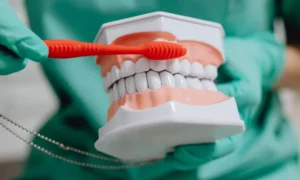
Gum disease begins when plaque, a sticky film of bacteria, builds up along the gumline. If plaque is not removed through regular brushing and flossing, it can harden into tartar and trigger gum inflammation. The earliest stage is called gingivitis, which is usually reversible with proper care. If left untreated, it can advance to periodontitis, a more severe form that can lead to gum recession, bone loss, and even tooth loss.
Bleeding Gums During Brushing or Flossing
One of the earliest and most common signs of gum disease is bleeding gums. If you notice pink or red in the sink when brushing or flossing, don’t dismiss it. Healthy gums do not bleed easily. Bleeding is often a sign of inflammation caused by bacteria irritating the gum tissue. Many people assume they are brushing too hard, but persistent bleeding usually points to an underlying gum issue.
Red, Swollen, or Tender Gums
Healthy gums should appear firm and pale pink. Gums that look red, puffy, or swollen may indicate gingivitis. Inflammation is the body’s response to bacterial buildup, and tender gums can be an early signal that your immune system is reacting to infection. You may also notice discomfort when chewing or brushing, even if the pain is mild.
Persistent Bad Breath or Bad Taste
Chronic bad breath, also known as halitosis, can be another early warning sign of gum disease. The bacteria that accumulate under the gumline produce toxins and sulfur compounds that cause unpleasant odors. If bad breath persists despite regular brushing, flossing, and mouthwash use, it may be related to gum health rather than diet or hygiene alone. A constant bad taste in the mouth can signal the same issue.
Gums That Are Pulling Away From the Teeth
Receding gums are often associated with more advanced gum disease, but early recession can occur sooner than many people realize. If your teeth appear longer than usual or you notice small gaps forming between your teeth and gums, this may be an early sign of trouble. Gum recession allows bacteria to reach deeper areas, increasing the risk of infection and damage to supporting bone.
Increased Tooth Sensitivity
Sensitivity to hot, cold, or sweet foods can sometimes be traced back to gum disease. As gums become inflamed or begin to recede, the tooth roots may become exposed. These roots are more sensitive than tooth enamel and can react painfully to temperature changes. While sensitivity can have many causes, gum disease should be considered, especially if other symptoms are present.
Changes in the Way Your Teeth Fit Together
Subtle changes in your bite or the way your teeth come together can also be an early warning sign. Inflammation and infection can affect the tissues and bone that support your teeth, leading to slight shifting. You may notice discomfort when biting or feel that your teeth no longer align as they once did.
Treatment for Gum Disease in Columbia, SC
If you experience red, swollen, or bleeding gums, Dr. Thomas Trinkner is here to help. He offers a range of treatment options in our Columbia dental practice to address gum disease at any stage. Contact our West Columbia dental practice today at 803-400-8729 or request an appointment online.